Turn Watermelon Rinds into Treasures: Pickled Refreshing Cold Dishes, Crispier than Cucumbers

Aug 20, 2025 By

In the sweltering heat of summer, a familiar scene unfolds across kitchens worldwide: the vibrant green rind of a watermelon, once protecting its sweet ruby flesh, is unceremoniously discarded into the compost or trash. This act, repeated millions of times over the season, represents one of the most common and overlooked forms of food waste. The sweet, juicy fruit is devoured with relish, while its tough, pale green skin is deemed useless, destined for the bin. But what if this discarded treasure could be transformed into something not just edible, but truly delightful? A culinary secret, long held in various food cultures, is gaining renewed attention: the art of pickling watermelon rind.

The journey of the humble watermelon rind from scrap to superstar is a fascinating tale of culinary ingenuity. For generations, in regions where nothing edible was wasted, cooks discovered that the very part of the watermelon most often thrown away possessed a unique potential. When subjected to the ancient preserving magic of pickling, the rind undergoes a remarkable metamorphosis. Its initially tough and bland character is utterly erased, replaced by a captivating crunch that rivals, and many argue surpasses, the beloved cucumber pickle. The transformation is so complete that it becomes an entirely new ingredient, a crisp, tangy, and surprisingly versatile condiment.

The process begins with selection and preparation. Not all rinds are created equal. The best candidates come from watermelons that are ripe but firm, their rinds a healthy green without excessive softness or bruising. Using a sharp knife, the dark green outer skin is carefully shaved away, revealing the firm, white to pale green inner rind. This is the prize. It is then cut into uniform pieces, cubes, spears, or thin slices, depending on the desired final texture and use. This preparation is crucial; it removes the unpalatably tough exterior and ensures even pickling.

The brine is where the alchemy truly happens. A basic pickling liquid typically consists of vinegar, water, sugar, and salt, but the variations are infinite and allow for immense creativity. Apple cider vinegar offers a fruity tang, while white distilled vinegar provides a clean, sharp punch. The sugar balance is key—enough to counter the vinegar's acidity and complement the rind's faint sweetness, but not so much that it becomes cloying. This is where the flavor symphony begins. Spices like mustard seeds, peppercorns, and cloves are classic additions, infusing the brine with warmth and complexity. For a more adventurous palate, ingredients like fresh ginger slices, star anise, red pepper flakes, or even a splash of soy sauce can introduce stunning new dimensions.

The prepared rind is packed into clean jars, and the hot, aromatic brine is poured over it, sealing the ingredients together. Some recipes call for a quick pickle, where the jar is simply cooled and refrigerated, allowing the flavors to meld over a day or two. This results in a fresher, crisper pickle. For longer preservation, a traditional water bath canning process is used, which softens the rind slightly but allows it to be stored for months in the pantry, a taste of summer ready to be unlocked in the depths of winter.

The final product is nothing short of a revelation. The texture is its most celebrated feature—an intense, satisfying crunch that holds firm against the bite, a quality often lost in commercial cucumber pickles. The flavor is a perfect harmony of sweet, sour, and salty, with the spice notes dancing in the background. It is incredibly refreshing, making it an ideal palate cleanser or a side for rich, fatty foods. Its versatility in the kitchen is astounding. Chopped finely, it becomes a brilliant relish for hot dogs and burgers, adding a sweet-and-sour crunch that cuts through the richness. Diced into potato or chicken salad, it introduces a surprising and delightful texture and tang.

Beyond its culinary merits, embracing the watermelon rind is a powerful act of sustainable cooking. Food waste is a monumental global issue, with significant environmental and economic costs. By utilizing a part of the fruit that is almost universally discarded, we actively participate in a more mindful food culture. It changes our relationship with ingredients, encouraging us to see the potential in every part of what we buy and eat. This simple act of pickling transforms an afternoon snack into a statement against waste, proving that delicious solutions are often hidden in plain sight, waiting in our compost bins.

So, the next time you slice into a juicy watermelon, pause before you scrape the rind into the waste. See it not as garbage, but as raw potential. See the future crunchy, tangy pickles waiting to be born. With minimal effort and a bit of creativity, you can unlock a world of flavor from something you once threw away, creating a delicacy that is not only crisp and delicious but also a testament to the magic of resourceful cooking.
Recommend Posts
Food

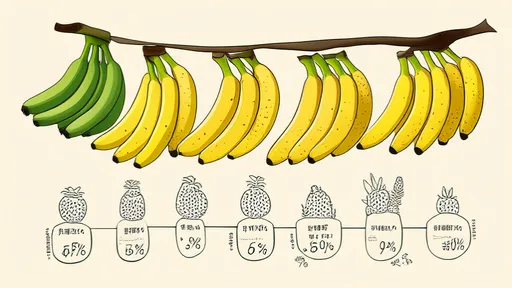
Banana Ripeness and Sweetness Chart: More Spots, Sweeter Taste; Refrigeration Slows Down Browning

By /Aug 20, 2025

There is a quiet transformation happening in fruit bowls around the world, a subtle shift from vibrant yellow to a speckled brown that many mistakenly view as a sign of decay. The humble banana, often dismissed once its pristine yellow skin begins to show signs of age, holds a sweet secret. Those very spots are not a warning but an invitation, a natural indicator of the complex biochemical processes that have been working tirelessly to convert starches into sugars. This journey from firm and slightly starchy to soft and delectably sweet is one of nature’s most fascinating culinary metamorphoses.
Food

Don't Throw Away Radish Skins: Quick Pickled Radish Skins, Crispy and Appetizing in Three Days

By /Aug 20, 2025

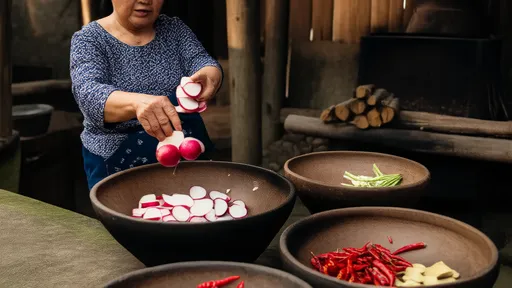
In the world of culinary arts, it's often the overlooked parts of ingredients that hold the most potential for creativity and flavor. Take radish peels, for instance. Most home cooks discard them without a second thought, viewing them as nothing more than scraps destined for the compost bin or trash. But what if I told you that these humble peels could be transformed into something extraordinary? Something crisp, tangy, and utterly addictive? Welcome to the art of quick-pickling radish peels—a simple technique that turns kitchen waste into a gourmet treat in just three days.
Food

Make Thick Soup with Frozen Veggies: Mixed Pack + Potatoes, Save 30% Time

By /Aug 20, 2025

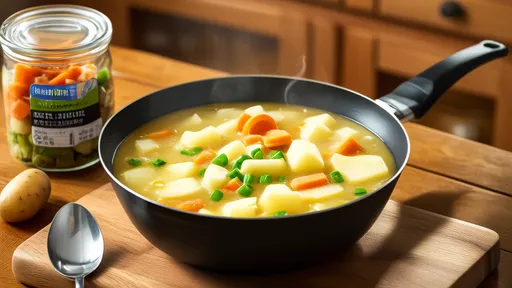
On a crisp autumn evening, as the wind whispers through nearly bare branches, the thought of a warm, hearty soup becomes increasingly appealing. There's something almost primal about the desire for comfort food as temperatures drop and daylight dwindles. Yet in our modern era of packed schedules and endless commitments, the luxurious simmering of homemade soup often feels like a distant fantasy reserved for weekends or special occasions. The traditional image of soup-making involves fresh vegetables meticulously chopped, hours of slow cooking, and constant supervision—a ritual many admire but few have time to practice.
Food

Secrets to Preserve Mushrooms: Paper Bag Storage in the Fridge to Prevent Moisture and Mold

By /Aug 20, 2025

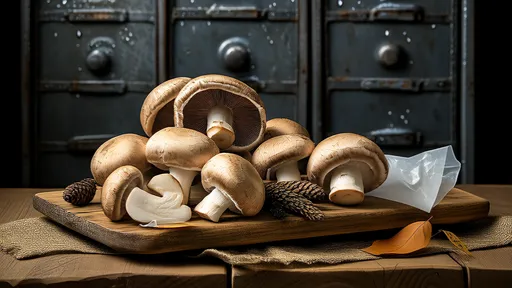
Mushrooms, with their earthy flavors and versatile culinary applications, are a staple in kitchens worldwide. However, their high moisture content and delicate nature make them notoriously perishable. Improper storage can quickly lead to slimy textures, dark spots, and the unwelcome growth of mold, turning a gourmet ingredient into compost fodder in a matter of days. For home cooks and professional chefs alike, mastering the art of preservation is key to minimizing waste and maximizing flavor. While countless methods are touted online, from soaking in salt water to vacuum sealing, one technique stands out for its simplicity, effectiveness, and accessibility: the humble paper bag in the refrigerator.
Food

Skill for Cooking Dumplings Without Ruptures: Boil Water, Add Cold Water Twice, Cover and Simmer for 1 Minute

By /Aug 20, 2025

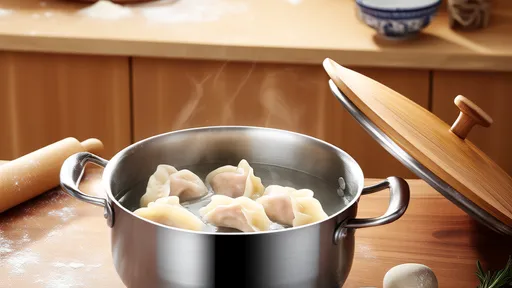
In kitchens across China, a culinary ritual unfolds with the quiet precision of a practiced dance. The steam rises from the large pot, the water at a furious, rolling boil. One by one, the plump, crescent-shaped dumplings slide into the bubbling cauldron. For the uninitiated, this is the moment anxiety spikes—the dreaded threat of a ruptured wrapper, a burst seam, leaking precious filling into the water, turning a potential masterpiece into a disappointing pot of soup. Yet, for generations, home cooks and master chefs alike have wielded a simple, almost poetic piece of culinary wisdom to guarantee perfection. It’s not found in a complex recipe or a high-tech gadget, but in a timeless mantra: bring the water to a boil, add a dash of cold water twice, then cover and let steam for one final minute.
Food

Microwave Steamed Egg Custard: Covered with Punctured Plastic Wrap for Tender and Hole-Free Texture

By /Aug 20, 2025

In the bustling rhythm of modern kitchens, the microwave oven stands as a monument to convenience, a steadfast ally in the daily culinary hustle. Yet, for all its speed and efficiency, this ubiquitous appliance has often been maligned as the enemy of nuance, a brute force tool incapable of the gentle coaxing required for dishes of finesse. Enter the humble egg custard, a classic testament to subtlety and texture. The notion of preparing it in a microwave might seem like a culinary heresy, a shortcut destined for rubbery failure. However, a particular technique, shrouded in a veil of simple plastic wrap, promises not just success, but a revelation. This is the story of achieving a flawlessly smooth, divinely tender steamed egg custard, entirely within the microwave, by mastering the art of covering it with punctured cling film.
Food

Turn Watermelon Rinds into Treasures: Pickled Refreshing Cold Dishes, Crispier than Cucumbers

By /Aug 20, 2025

In the sweltering heat of summer, a familiar scene unfolds across kitchens worldwide: the vibrant green rind of a watermelon, once protecting its sweet ruby flesh, is unceremoniously discarded into the compost or trash. This act, repeated millions of times over the season, represents one of the most common and overlooked forms of food waste. The sweet, juicy fruit is devoured with relish, while its tough, pale green skin is deemed useless, destined for the bin. But what if this discarded treasure could be transformed into something not just edible, but truly delightful? A culinary secret, long held in various food cultures, is gaining renewed attention: the art of pickling watermelon rind.
Food

Universal Cold Dressing Sauce Formula: 3 Spoons of Soy Sauce + 2 Spoons of Vinegar + 1 Spoon of Sugar + 1 Spoon of Minced Garlic

By /Aug 20, 2025

In the bustling world of culinary arts, where complexity often takes center stage, there exists a humble yet transformative formula that has quietly revolutionized home cooking and professional kitchens alike: the universal dressing ratio of three parts soy sauce, two parts vinegar, one part sugar, and one part minced garlic. This deceptively simple combination has become the secret weapon for chefs and food enthusiasts seeking to elevate everything from crisp vegetables to succulent proteins with minimal effort and maximum flavor impact.
Food

Coriander Hydroponic Method: Trim Roots and Insert into Bottles to Extend Freshness by Half a Month"

By /Aug 20, 2025

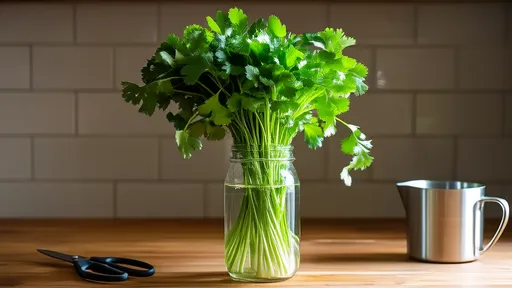
In the quiet corners of modern kitchens, a small revolution is taking place. It’s not about high-tech gadgets or complex chemical solutions; it’s about a simple, almost poetic method to extend the life of one of the most polarizing yet beloved herbs: cilantro. Known for its vibrant, citrusy punch that can elevate everything from a humble taco to an intricate curry, cilantro has one notorious flaw—its frustratingly short shelf life. Those lush, green bunches often transform into a wilted, slimy mess within days of being brought home from the market, much to the chagrin of home cooks and professional chefs alike. This rapid deterioration isn't just an inconvenience; it represents food waste, repeated trips to the store, and a constant battle against time. But what if the secret to preserving its freshness wasn't found in a laboratory or a fancy appliance, but in a method as straightforward as placing it in a glass of water?
Food

Morning Market Bargain Schedule: Fish Vendors Clear Stock After 7:30 AM, Grab at 50% Off

By /Aug 20, 2025

As dawn breaks over the city, a particular rhythm begins to pulse through the local wet markets—a rhythm known intimately by savvy shoppers and bargain hunters. Among the most anticipated moments is the post-7:30 AM window, when fish vendors start clearing their daily stock, slashing prices by up to fifty percent. This isn't just a shopping tip; it's a strategic approach to sourcing fresh seafood affordably, a practice that blends timing, knowledge, and a bit of old-fashioned hustle.
Food

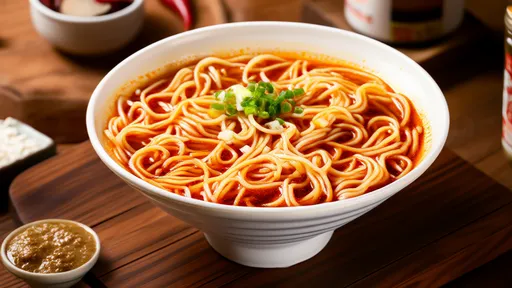
5-Minute Quick Cold Noodles: Alkaline Noodles with Iced Water, Sesame Paste Dilution Recipe

By /Aug 20, 2025

In the bustling world of quick meals and instant gratification, few dishes manage to strike the perfect balance between speed, flavor, and satisfaction quite like a well-made cold noodle dish. Among the myriad of options available to the time-pressed cook, one method stands out for its simplicity and delicious results: the five-minute Quick Cold Noodles. This particular approach emphasizes two critical steps that transform ordinary ingredients into an extraordinary meal: chilling alkaline noodles in ice water and mastering the dilution of sesame paste. These techniques, while simple, are the heart and soul of creating a dish that is both refreshing and deeply flavorful, all within the constraints of a tight schedule.
Food

Clever Use of Expiry-Date Yogurt: Marinating Chicken for Tenderness, a Smooth Alternative to Baking Soda

By /Aug 20, 2025

In the quiet corners of our refrigerators, a small tragedy often unfolds—the slow, inevitable expiration of dairy products. Among these, yogurt frequently meets its fate untouched, its once-vibrant potential fading with each passing day. Yet what if this perceived failure could be transformed into a culinary triumph? A growing movement among resourceful home cooks and professional chefs is challenging our notion of food waste, discovering that near-expiry yogurt holds a secret power, particularly when it comes to poultry.
Food

Tomato Storage Myth: Store Stem-Down at Room Temperature for Richer Flavor

By /Aug 20, 2025

In kitchens around the world, the tomato stands as a culinary cornerstone, celebrated for its vibrant color, juicy texture, and that irreplaceable sweet-acidic flavor that defines countless dishes. Yet, for all its ubiquity, this humble fruit is often the victim of a critical, widespread misunderstanding in how it is stored after purchase. The common practice is to place them in the refrigerator's crisper drawer, a cold tomb that, while extending superficial shelf life, systematically dismantles the very compounds that give a tomato its soul. However, a quiet revolution in food science is challenging this orthodoxy, pointing to a remarkably simple counter-intuitive method: storing tomatoes at room temperature with their stems—the calyx—facing downward. This isn't just a minor tweak; it's a technique that promises to profoundly amplify flavor, transforming your everyday tomato into a peak-season, farmers-market masterpiece.
Food

Electric Rice Cooker Flavored Rice: 1:1.2 Rice to Water Ratio, One-Click for Fragrant and Delicious Rice

By /Aug 20, 2025

In kitchens across Asia, a quiet revolution has been simmering for decades, one that marries ancient culinary wisdom with modern convenience. The electric rice cooker, that unassuming countertop appliance found in nearly every household, has evolved from a simple steaming vessel into a sophisticated culinary partner capable of producing restaurant-quality meals with a single press of a button. Among its many triumphs, none is more beloved or emblematic of its capabilities than the rich, aromatic, and deeply satisfying lap mei fan, or cured meat rice.
Food

Instant Noodle Broth Upgrade: Add Half a Spoon of Peanut Butter for a Richer Flavor

By /Aug 20, 2025

In the quiet corners of late-night kitchens and the hurried lunches of busy professionals, a silent revolution is brewing in the humble bowl of instant noodles. For decades, these quick-fix meals have been a staple of convenience, a testament to efficiency over elegance. Yet, a simple, almost alchemical trick has begun to circulate among culinary adventurers and home cooks alike: the addition of a mere half-spoonful of peanut butter to the broth. This is not just a hack; it is a transformation, a gateway to a depth of flavor that belies the simplicity of its components.
Food

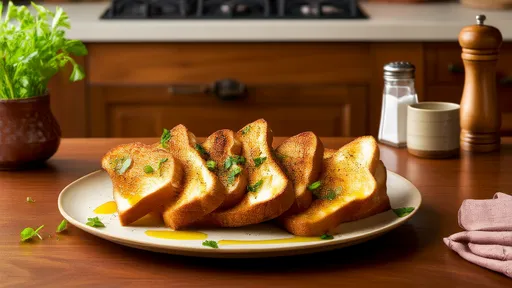
Toast Edge Rebirth Plan: Baked into Garlicky Bread Crisps, Snacks Disappear in Seconds

By /Aug 20, 2025

In kitchens across the globe, a quiet revolution is taking place, one crust at a time. The humble toast crust, long relegated to the compost bin or dismissed as the least desirable part of the bread, is experiencing a spectacular renaissance. This isn't just about reducing waste; it's a full-blown culinary reinvention, transforming a forgotten byproduct into a snack so irresistible it disappears in seconds. The star of this show? Garlic bread crisps.
Food

Golden Combination for Removing Fishy Odor in Meat Filling: Ginger, Scallion, and Sichuan Pepper Water + A Small Amount of White Pepper

By /Aug 20, 2025

In the world of culinary arts, few challenges are as universal yet nuanced as handling the distinct gaminess of ground meat. Whether crafting delicate dumplings, savory meatballs, or hearty burgers, that underlying pungent note can often detract from the harmony of flavors if not addressed with care. While various cultures have developed their own techniques to tame this characteristic, a particular combination has emerged from Chinese culinary tradition, gaining recognition for its remarkable efficacy and subtlety. This method, often referred to as a "golden ratio" for deodorizing meat, relies not on overpowering the meat but on complementing and transforming its inherent qualities.
Food

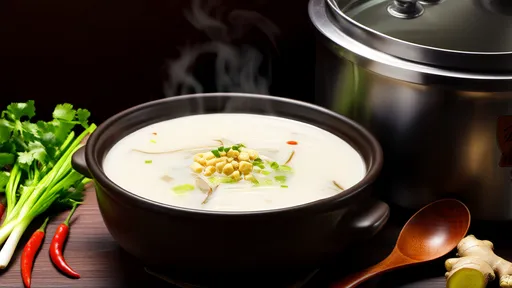
How to Make Rich and Flavorful Chicken Bone Broth in 30 Minutes with a Pressure Cooker"

By /Aug 20, 2025

In the realm of culinary arts, few techniques yield as rich and satisfying a result as transforming humble chicken frames into a luxuriously creamy, opaque broth known as milk-white soup. This traditional method, perfected over generations, hinges on a simple yet profound process: extracting every last bit of flavor, collagen, and marrow from the bones. While simmering for hours in a stockpot is the classic approach, the modern kitchen marvel, the pressure cooker, has revolutionized this art. By applying intense pressure and heat, it achieves in a mere 30 minutes what once took half a day, producing a broth that is not only intensely flavorful but also boasts that coveted, restaurant-quality milky-white appearance.
Food

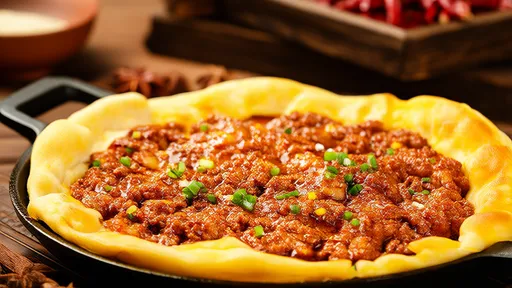
Leftover Rice Transforms into Quick Rice Pancakes: The Ratio of Batter to Water is 1:1

By /Aug 20, 2025

In kitchens across the globe, there's a quiet revolution happening—one that transforms the humble, overlooked leftover rice into something spectacular. Among the most beloved and brilliantly simple creations is the quick rice pancake, a dish that marries frugality with flavor in the most delightful way. The magic formula? A one-to-one ratio of rice to water, blended into a batter that sizzles into golden, crispy-edged perfection on the griddle. This isn't just a recipe; it's a culinary lifeline for busy households and a testament to the art of making something from (almost) nothing.
Food

Duck Three Ways: Pan-Fried Duck Breast, Duck Frame Soup, and Duck Fat Noodles

By /Aug 20, 2025

In the realm of culinary arts, few ingredients offer as much versatility and depth as the humble duck. A single bird, when approached with skill and creativity, can yield an entire meal that celebrates different textures, flavors, and cooking techniques. This philosophy is beautifully embodied in the concept of "one duck, three ways," a practice that transforms a whole duck into three distinct and exquisite dishes: pan-seared and roasted duck breast, a rich and aromatic broth from the carcass, and a simple yet luxurious noodle dish tossed with rendered duck fat. It is a testament to resourcefulness and a deep respect for the ingredient, ensuring that no part goes to waste while delivering a multi-faceted dining experience.