In the world of culinary arts, few challenges are as universal yet nuanced as handling the distinct gaminess of ground meat. Whether crafting delicate dumplings, savory meatballs, or hearty burgers, that underlying pungent note can often detract from the harmony of flavors if not addressed with care. While various cultures have developed their own techniques to tame this characteristic, a particular combination has emerged from Chinese culinary tradition, gaining recognition for its remarkable efficacy and subtlety. This method, often referred to as a "golden ratio" for deodorizing meat, relies not on overpowering the meat but on complementing and transforming its inherent qualities.
The foundation of this technique is a simple yet potent infusion known as scallion, ginger, and Sichuan peppercorn water. It sounds almost too straightforward to be revolutionary, but its magic lies in the synergy of its components. Fresh scallions, with their sharp, slightly sweet alliaceous punch, cut through the heavier odors. Ginger, a rhizome celebrated across continents for its zesty, warm aroma, introduces a refreshing pungency that neutralizes unwanted smells without adding heat. Then comes the Sichuan peppercorn, the most intriguing element of the trio. Unlike its black or chili counterparts, it doesn't bring sheer spiciness; instead, it offers a unique tingling sensation, known as málà, and a citrusy, woody fragrance that brilliantly masks any residual gaminess while adding a layer of complex aroma.
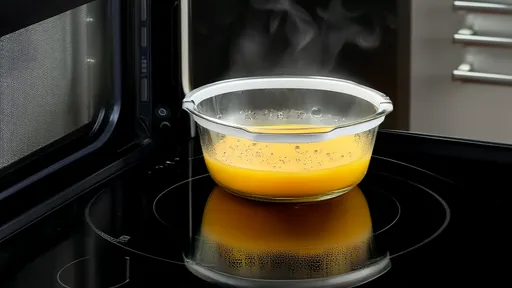
Preparing this aromatic water is an exercise in patience and precision. It typically involves gently bruising a few scallion whites, a thumb of ginger, and a teaspoon of Sichuan peppercorns to release their volatile oils, then steeping them in hot, but not boiling, water for a significant period. The goal is to create a deeply flavored, aromatic broth that is cool before use. This cold infusion is crucial. When added to the ground meat, it is absorbed more effectively, allowing the proteins to soak up the flavors without beginning to cook, which would alter the texture. The water not only seasons the meat from within but also, through a slight enzymatic action, helps in breaking down some of the compounds responsible for the stronger odors.
While the scallion-ginger-peppercorn water does the heavy lifting, its effect is elevated to a new level by a final, modest addition: a whisper of white pepper. This is not the bold, fiery black pepper but its more refined, slightly earthier cousin. White pepper powder is known for its ability to provide a gentle heat and a distinct musty depth that complements rather than conflicts with the other aromatics. It acts as the perfect finishing note, sealing in the new flavor profile and ensuring no off-notes remain. The key here is moderation; a heavy hand would overwhelm the delicate balance achieved by the infused water, turning a act of refinement into one of domination.
The technique of incorporating this combination into ground meat is as important as the ingredients themselves. It is a process of gradual integration. The cold aromatic water is added in small increments, often just a tablespoon or two at a time, while the meat is mixed vigorously in one direction. This method, often called "stirring in one direction," helps the meat fibers align and absorb the liquid uniformly, resulting in a paste that is not only deodorized but also remarkably tender and juicy. The final sprinkle of white pepper is folded in gently at the end, just before the meat is shaped and cooked. This careful process ensures every particle of meat is perfumed with the golden combination.
What makes this combination truly "golden" is its versatility and its respect for the main ingredient. Unlike blanching or using strong spirits like wine, which can cook the meat or leave an alcoholic tang, this method enhances the meat's natural savoriness—its umami—while seamlessly eliminating any unpleasantness. It doesn't seek to disguise the meat but to reveal its best self. The scallion and ginger brighten, the Sichuan peppercorn adds a captivating fragrance, and the white pepper grounds the entire flavor profile. The result is a filling or a patty that is profoundly aromatic, complex, and clean-tasting, allowing other elements of the dish, from delicate wrappers to robust sauces, to shine alongside it.
This wisdom, passed down through generations, is more than just a kitchen trick; it is a philosophy of cooking. It emphasizes balance, subtlety, and the power of aromatics to transform. It demonstrates that the most effective solutions are often not about addition but about intelligent, harmonious combination. For any cook striving to master the art of working with ground meats, understanding and applying this golden ratio is a step toward creating dishes that are not merely good, but exceptionally and memorably flavorful.
By /Aug 20, 2025
By /Aug 20, 2025
By /Aug 20, 2025
By /Aug 20, 2025
By /Aug 20, 2025
By /Aug 20, 2025
By /Aug 20, 2025
By /Aug 20, 2025
By /Aug 20, 2025

By /Aug 20, 2025
By /Aug 20, 2025
By /Aug 20, 2025
By /Aug 20, 2025
By /Aug 20, 2025
By /Aug 20, 2025
By /Aug 20, 2025
By /Aug 20, 2025
By /Aug 20, 2025
By /Aug 20, 2025
By /Aug 20, 2025
