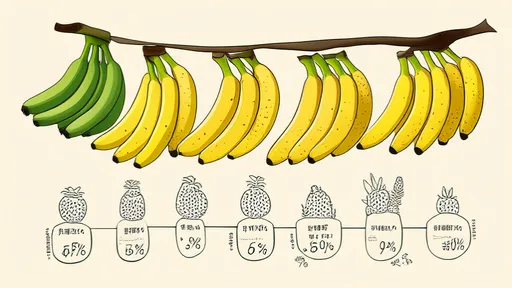
There is a quiet transformation happening in fruit bowls around the world, a subtle shift from vibrant yellow to a speckled brown that many mistakenly view as a sign of decay. The humble banana, often dismissed once its pristine yellow skin begins to show signs of age, holds a sweet secret. Those very spots are not a warning but an invitation, a natural indicator of the complex biochemical processes that have been working tirelessly to convert starches into sugars. This journey from firm and slightly starchy to soft and delectably sweet is one of nature’s most fascinating culinary metamorphoses.
For the average consumer, the sight of a brown-speckled banana often triggers a reflex to discard it or, at best, relegate it to the fate of banana bread. This is a profound misunderstanding of the fruit's life cycle. The development of these spots, often called sugar spots or leopard spotting, is the banana’s final and most flavorful stage of ripening. It is during this phase that the fruit reaches its peak sweetness and its nutritional profile evolves, making it not only a superior choice for eating raw but also an incredibly versatile ingredient for a myriad of recipes.
The science behind this sweetening process is rooted in the banana’s biological makeup. A green, unripe banana is comprised mostly of complex carbohydrates and starches, which are difficult for our bodies to digest and offer little in the way of immediate sweetness. As the banana ripens, it produces a gaseous plant hormone called ethylene. This hormone acts as a catalyst, triggering the fruit’s enzymes to break down those complex starches into simple sugars like glucose, fructose, and sucrose. This enzymatic activity is what softens the fruit’s flesh and, crucially, is the direct cause of the brown polyphenols appearing on the skin. Therefore, the density of these spots is a direct visual proxy for the concentration of simple sugars within. More spots unequivocally mean a sweeter, more flavorful experience.
Simultaneously, this ripening process alters the fruit’s health benefits. The resistant starches present in green bananas, which act like fiber and feed beneficial gut bacteria, diminish. In their place, the antioxidant capacity of the fruit increases significantly. Fully ripe, spotted bananas contain higher levels of antioxidants, such as dopamine and gallocatechin, which are linked to reducing the risk of chronic diseases and combating cellular damage. The fruit also becomes easier to digest as the fibrous materials break down, making the nutrients more bioavailable. This makes the spotted banana a potent, easily digestible package of energy and nutrition, ideal for a quick boost.
However, this perfect state of sweetness is ephemeral. The very same ethylene gas that initiates ripening continues to work, eventually leading to over-ripening where the fruit becomes mushy, the skin turns entirely brown or black, and the sugars can begin to ferment, creating an alcoholic taste. The key for enthusiasts of the sweet spot is to manage this transition. This is where a second piece of crucial banana knowledge comes into play: the profound impact of temperature.
Bananas are tropical fruits and are inherently sensitive to cold. Placing a banana in the refrigerator drastically slows down the enzymatic activity driven by ethylene gas. The cold environment causes the cell walls inside the peel to break down, which often leads to the skin darkening prematurely to a dark brown or black color. This has created the widespread misconception that refrigerating bananas "ruins" them. In reality, while the cold damages the skin’s cells and makes it appear unappetizing, it acts as a powerful pause button for the ripening of the fruit’s interior. The flesh inside is often preserved in a perfectly ripe, firm, and sweet state for several days longer than if it were left at room temperature. The unsightly skin is merely a cosmetic issue, a small price to pay for extended freshness.
To harness this knowledge effectively, one should adopt a two-stage ripening and storage process. First, allow bananas to ripen at room temperature on a countertop away from direct sunlight. Keep them separate from other fruits, as they emit ethylene gas that can accelerate the ripening of everything around them. Once they have reached the desired level of speckling—a personal preference ranging from a few spots to a fully leopard-spotted skin—then they can be placed in the refrigerator. This will halt further ripening almost entirely. The skin will darken, but the prized flesh will be protected. For those who find the blackened skin too off-putting, peeling the bananas before refrigerating and storing them in an airtight container is an excellent alternative, perfect for adding to smoothies or oatmeal later.
Understanding these two fundamental principles—that spots equal sweetness and that cold arrests ripening—revolutionizes one’s relationship with this common fruit. It moves the banana from a disposable commodity to a ingredient whose lifecycle can be expertly managed. No longer will perfectly good fruit be wasted at the first sign of a blemish. Instead, those spots will be recognized as a badge of honor, a sign that the banana has achieved its greatest potential. This knowledge empowers consumers to buy in bulk without fear, ensuring they always have a perfect, naturally sweetened snack or recipe component on hand, thereby reducing food waste and enhancing culinary enjoyment simultaneously.
The narrative of the banana is a lesson in looking beyond superficial appearance. In a society that often prizes pristine perfection, the spotted banana is a testament to the hidden value that lies beneath the surface. It teaches us that the most rewarding flavors are often earned through patience and a understanding of natural processes. So, the next time you see a banana dotted with brown, do not turn away. See it for what it truly is: nature’s candy, at its peak, waiting to be enjoyed.
By /Aug 20, 2025
By /Aug 20, 2025

By /Aug 20, 2025
By /Aug 20, 2025

By /Aug 20, 2025

By /Aug 20, 2025

By /Aug 20, 2025
By /Aug 20, 2025

By /Aug 20, 2025

By /Aug 20, 2025

By /Aug 20, 2025

By /Aug 20, 2025

By /Aug 20, 2025

By /Aug 20, 2025

By /Aug 20, 2025

By /Aug 20, 2025

By /Aug 20, 2025

By /Aug 20, 2025

By /Aug 20, 2025

By /Aug 20, 2025
