In the quiet corners of modern kitchens, a small revolution is taking place. It’s not about high-tech gadgets or complex chemical solutions; it’s about a simple, almost poetic method to extend the life of one of the most polarizing yet beloved herbs: cilantro. Known for its vibrant, citrusy punch that can elevate everything from a humble taco to an intricate curry, cilantro has one notorious flaw—its frustratingly short shelf life. Those lush, green bunches often transform into a wilted, slimy mess within days of being brought home from the market, much to the chagrin of home cooks and professional chefs alike. This rapid deterioration isn't just an inconvenience; it represents food waste, repeated trips to the store, and a constant battle against time. But what if the secret to preserving its freshness wasn't found in a laboratory or a fancy appliance, but in a method as straightforward as placing it in a glass of water?
The concept is disarmingly simple, yet its effectiveness is nothing short of remarkable. This technique, which has gained traction through word-of-mouth and savvy gardening communities, involves treating a bunch of cilantro not as a doomed perishable item, but as a living bouquet. The core principle is hydration and support. Instead of condemning the herb to the cold, humid, and ultimately suffocating environment of a refrigerator crisper drawer, you provide it with a continual source of water and room to breathe. It’s a shift in perspective—from storing a vegetable to sustaining a plant. The goal isn’t deep-rooted growth for harvesting new leaves, but rather a state of suspended animation, where the existing stems and leaves draw enough moisture and nutrients to stay turgid, green, and aromatic for a significantly extended period.
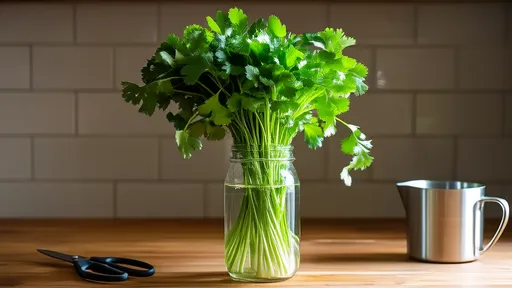
To begin, you’ll need a bunch of fresh cilantro, a sharp pair of kitchen shears or a very sharp knife, a clean glass or jar, and fresh, cool water. The initial quality of your cilantro is paramount. Look for bunches that are vibrantly green, with perky leaves and firm stems. Avoid any that show signs of yellowing, black spots, or have a soggy, unpleasant smell. This method can revive slightly wilted cilantro, but it cannot perform miracles on produce that has already begun to decompose. Your first task is to prepare the herb for its new temporary home. Using your shears, trim about half an inch to an inch off the bottom of the stems. This is a critical step. It removes the dried-out or sealed end that the plant formed after being harvested, creating a fresh, open wound that is highly efficient at absorbing water. Make this cut at a slight angle to maximize the surface area for water uptake, much like you would with cut flowers.
Next, gently remove any tight bands or twist ties that are binding the bunch together. These constrictions can damage stems and prevent water from circulating freely. If the cilantro came with roots still attached, that’s a bonus! Do not remove them. These roots can continue to function, further enhancing the plant’s ability to stay hydrated and healthy. Now, take your clean glass or jar—a pint-sized mason jar works perfectly—and fill it with about two to three inches of fresh, cool tap water. The vessel should be tall enough to support the stems without the leafy tops drooping over the edge and getting crushed. Submerge only the very bottom ends of the stems and any existing roots in the water. The leaves must remain completely dry; any foliage sitting in water will rot quickly, spoiling the entire bunch and turning the water foul.
With your cilantro now comfortably situated in its aquatic abode, placement is the next crucial factor. This setup should not be stored in the refrigerator, at least not initially. Find a spot on your kitchen counter that receives bright, indirect light. A windowsill that gets morning sun but is shaded during the harsh afternoon rays is ideal. Direct, hot sunlight will cook the herbs and cause them to wilt faster. The room temperature environment encourages the metabolic processes that allow the stems to drink water effectively. You will notice the cilantro perking up within just a few hours as it rehydrates. At this stage, it looks less like a stored ingredient and more like a cheerful, green centerpiece for your kitchen.
Maintenance is minimal but essential for achieving that two-week longevity. Think of it as caring for a very low-maintenance pet plant. The water in the jar will need to be changed every two to three days. Stagnant water becomes a breeding ground for bacteria, which will climb up the stems and cause rot. When changing the water, take the opportunity to give the stems another quick trim. Remove just a tiny sliver from the bottom—another fresh cut will ensure the pathways for water absorption remain clear and open. Inspect the bunch and gently remove any leaves that have yellowed or fallen off into the water. If you started with a large bunch, you might find that separating it into two smaller bunches and using two jars prevents overcrowding and allows for better air circulation around the leaves.
After about five to seven days on the counter, if you find you haven’t used all the cilantro, you can transition it to the refrigerator to further slow down its metabolism. This is the second phase of preservation. Place a loose plastic bag over the top of the leafy part of the cilantro, creating a miniature greenhouse that traps humidity and prevents the leaves from drying out in the fridge's dehydrating environment. Do not seal the bag tightly around the jar, as the plant still needs to breathe. Continue to change the water regularly, even in the fridge. This combination of initial room-temperature hydration followed by refrigerated storage is the key to unlocking the full potential of this method, often keeping the cilantro fresh for a total of two weeks or even longer.
The science behind why this works so well is rooted in basic plant biology. Cilantro, like any recently harvested plant, is still alive. Its cells are desperately trying to perform their functions, including respiration and transpiration (the process of losing water vapor through the leaves). When sealed in a plastic bag in the fridge, moisture loss continues while oxygen depletes and ethylene gas—a natural plant ripening hormone—builds up, accelerating decay. The water-filled jar method directly addresses these issues. It provides a continuous, external water source to counteract transpiration, preventing the leaves from wilting. The open air environment allows for ample gas exchange, dissipating ethylene and supplying oxygen, which slows down the enzymatic breakdown that causes spoilage. You are essentially giving the plant just enough support to maintain itself in a dormant, yet alive, state.
Beyond the practical benefits of reduced waste and always having fresh herbs on hand, this method connects us to our food in a more intimate way. It transforms a mundane kitchen task into a small act of nurturing. The sight of a vibrant green bunch of cilantro thriving on the windowsill is a daily reminder of simplicity and resilience. It’s a hack that feels less like a tip and more like a rediscovery of an ancient, fundamental truth: life sustains life. So the next time you bring home that fragrant bunch, bypass the plastic bag. Reach for a jar instead, give those stems a fresh cut, and watch as a little bit of water works its quiet magic, preserving not just flavor, but a connection to the natural world thriving right there on your countertop.

By /Aug 20, 2025
By /Aug 20, 2025
By /Aug 20, 2025
By /Aug 20, 2025
By /Aug 20, 2025
By /Aug 20, 2025
By /Aug 20, 2025
By /Aug 20, 2025
By /Aug 20, 2025

By /Aug 20, 2025

By /Aug 20, 2025
By /Aug 20, 2025
By /Aug 20, 2025

By /Aug 20, 2025
By /Aug 20, 2025

By /Aug 20, 2025

By /Aug 20, 2025
By /Aug 20, 2025

By /Aug 20, 2025

By /Aug 20, 2025
