The Left Bank of Paris has long been synonymous with intellectualism, artistic freedom, and a certain je ne sais quoi in sartorial expression. Unlike the more ostentatious Right Bank, the Rive Gauche cultivates an air of effortless sophistication—a style that whispers rather than shouts. Here, the intellectuals, writers, and philosophers have forged a sartorial language that speaks volumes about their ideals, often without uttering a single word. This is not fashion for fashion’s sake; it’s a coded uniform for those who live by the pen, the brush, or the dialectic.
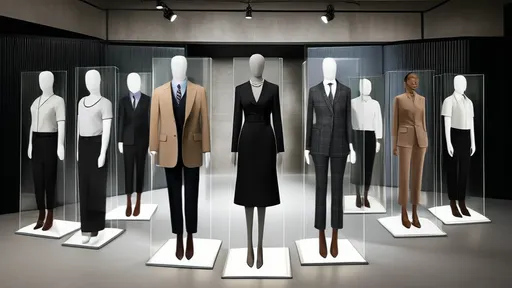
The Left Bank aesthetic is rooted in a paradox: it’s deliberate in its nonchalance. Think of Simone de Beauvoir’s tailored blazers paired with loose-fitting trousers, or Jean-Paul Sartre’s rumpled suits that seemed to carry the weight of existential thought. These were not outfits assembled by accident. They were carefully curated to project an image of cerebral rigor while rejecting bourgeois excess. The message was clear: true elegance lies in the mind, not the wardrobe—but the wardrobe, nonetheless, had to reflect that mind with precision.
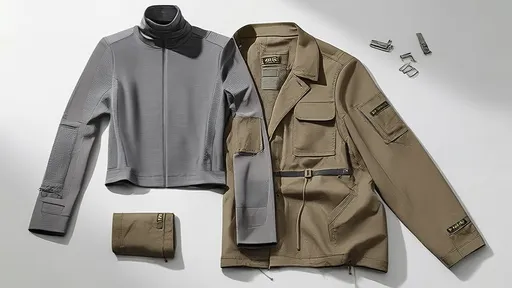
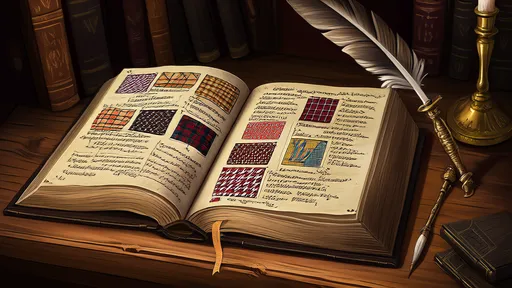
At the heart of this style is the concept of “dressing for the café”. The cafés of Saint-Germain-des-Prés—Les Deux Magots, Café de Flore—were the battlegrounds of ideas, and one’s attire had to befit the gravity of those debates. A well-worn tweed jacket, a slightly frayed scarf, a leather satchel stuffed with manuscripts: these were the insignia of the intellectual class. The fabrics were often rich but understated—wool, corduroy, cashmere—precisely because they aged beautifully, acquiring a patina of wisdom alongside their wearers.
Color, or rather the absence of it, plays a pivotal role. The Left Bank palette leans heavily on neutrals: charcoal grays, deep navies, muted browns. A pop of color might appear in the form of a burgundy pocket square or an emerald-green book cover peeking out from under an arm, but these are exceptions, not rules. The restraint in hue is a visual metaphor for the intellectual’s disdain for frivolity. Why scream in neon when you can murmur in sepia?
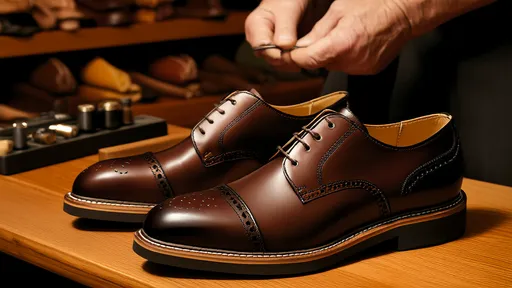
Footwear, too, adheres to this philosophy. The Left Bank intellectual favors shoes that are sturdy yet refined—Chelsea boots, loafers with a slight scuff, or lace-ups that have traversed cobblestones and lecture halls alike. Comfort is key, but never at the expense of form. Sartre’s infamous espadrilles, for instance, were a rebellion against stuffy conventions, yet they became an indelible part of his iconography. The lesson? Even rebellion must be thoughtfully executed.
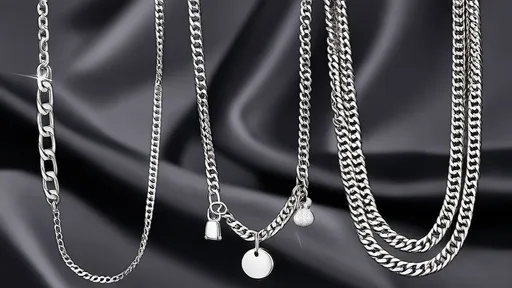
Accessories are sparse but meaningful. A single statement piece—a vintage watch, a pair of round-frame glasses, a well-loved leather notebook—carries more weight than an armful of trinkets. The Left Banker understands that every object should serve a purpose, whether practical or philosophical. A scarf isn’t just a scarf; it’s a shield against the drafts of unheated garrets where great novels are penned. A bag isn’t just a bag; it’s a repository for dog-eared copies of Camus and Beauvoir.
What’s most striking about the Left Bank style is its enduring influence. Decades later, the archetype persists: the writer in her rolled-sleeve blouse, the philosopher in his corduroy blazer, the artist in paint-splattered smock worn with deliberate irony. Contemporary figures like Annie Ernaux or Bernard-Henri Lévy still channel this aesthetic, proving that intellectualism and style need not be mutually exclusive. In fact, they’re inextricably linked—a dialectic of cloth and thought.
To dress à la Rive Gauche is to participate in a centuries-old tradition of sartorial dissent. It’s a rejection of fast fashion, of trends that expire before the next season. The Left Bank wardrobe is built to last, much like the ideas it represents. In a world increasingly dominated by fleeting digital impressions, this style stands as a quiet testament to the enduring power of depth—both in thought and in thread.
By /Aug 1, 2025

By /Aug 1, 2025

By /Aug 1, 2025

By /Aug 1, 2025

By /Aug 1, 2025

By /Aug 1, 2025

By /Aug 1, 2025

By /Aug 1, 2025
By /Aug 1, 2025
By /Aug 1, 2025

By /Aug 1, 2025
By /Aug 1, 2025
By /Aug 1, 2025

By /Aug 1, 2025
By /Aug 1, 2025
By /Aug 1, 2025
By /Aug 1, 2025
By /Aug 1, 2025

By /Aug 1, 2025
By /Aug 1, 2025
