The fashion industry has long grappled with the issue of textile waste, with millions of tons of fabric discarded annually due to overproduction, deadstock, and design leftovers. In response to this growing concern, innovative platforms like the Fabric Bank have emerged, offering a sustainable solution by connecting designers with surplus materials. One such initiative, the Designer Residual Fabric Sharing Platform, is revolutionizing how creatives source and utilize textiles, turning waste into opportunity.
At its core, the platform operates as a digital marketplace where designers can list unused fabrics, allowing others to purchase or repurpose them for their own collections. This circular approach not only reduces waste but also fosters collaboration within the fashion community. By giving these materials a second life, the platform challenges the traditional linear model of production and consumption, aligning with global sustainability goals.
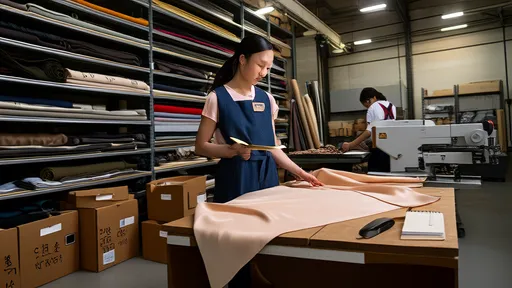
The concept is simple yet transformative. Designers upload details of their leftover fabrics—including composition, color, yardage, and condition—creating a searchable inventory for others to explore. Whether it’s a small batch of organic cotton or rolls of high-end silk, the platform ensures that no material goes to waste. For emerging designers and independent labels, this access to affordable, quality textiles can be a game-changer, lowering production costs and minimizing environmental impact.
Beyond its practical benefits, the platform cultivates a culture of resourcefulness and creativity. Designers are encouraged to rethink their design processes, planning projects with leftover materials in mind. This shift not only reduces waste at the source but also sparks innovation, as constraints often lead to unexpected and inventive solutions. The platform’s community-driven ethos fosters connections between like-minded professionals, creating a network of sustainability advocates within the industry.
The environmental impact of such initiatives cannot be overstated. The fashion industry is one of the largest polluters globally, with textile production contributing to water pollution, carbon emissions, and landfill overflow. By diverting fabrics from landfills and extending their lifecycle, the platform directly addresses these issues. Moreover, it raises awareness about the importance of responsible consumption, encouraging both designers and consumers to prioritize sustainability in their choices.
Success stories from the platform highlight its potential. Independent designers have created entire collections using shared remnants, while larger brands have integrated the system into their waste reduction strategies. Educational institutions have also joined the movement, incorporating the platform into their curricula to teach students about sustainable design practices. These examples demonstrate the platform’s versatility and its ability to inspire change across different sectors of the industry.
Looking ahead, the Designer Residual Fabric Sharing Platform aims to expand its reach, partnering with more brands, manufacturers, and recycling facilities to create a closed-loop system. Future developments may include enhanced tracking of fabric origins, improved logistics for material distribution, and even AI-driven recommendations for optimal fabric usage. As the platform grows, so does its potential to reshape the fashion landscape, proving that sustainability and creativity can go hand in hand.
For designers, the message is clear: waste is no longer an inevitability but an opportunity. By participating in this shared economy, they can reduce costs, minimize their environmental footprint, and contribute to a more sustainable future. The platform stands as a testament to the power of collaboration, showing that when the industry unites around a common goal, meaningful change is possible.
By /Aug 1, 2025

By /Aug 1, 2025
By /Aug 1, 2025
By /Aug 1, 2025
By /Aug 1, 2025

By /Aug 1, 2025
By /Aug 1, 2025
By /Aug 1, 2025
By /Aug 1, 2025

By /Aug 1, 2025

By /Aug 1, 2025
By /Aug 1, 2025

By /Aug 1, 2025

By /Aug 1, 2025
By /Aug 1, 2025
By /Aug 1, 2025
By /Aug 1, 2025

By /Aug 1, 2025

By /Aug 1, 2025

By /Aug 1, 2025
